
Explore ideas, experiences and perspectives from across my books.
Search results

Book
Military Industrial Base
Source
The Multipolar Shift in Military IndustryToward a More Complex Military Industrial Order
Relevant excerpt
By the end of the 1980s, the global military industrial base changed. It moved from a strict bipolar structure to a more complex multipolar system. The United States and the Soviet Union were dominant, but their hold was fading. The Soviet–Afghan War showed that even advanced military systems can be challenged. Simple, targeted technologies proved effective against these systems. The conflict revealed that future conflicts won't depend on size or…
Book
Military Industrial Base
Source
Forged in Fire: The Rise of the Modern Military Industrial BaseFoundations of a New Era
Relevant excerpt
The 1940s transformed the military industrial base. It shifted from a support role to a key part of national power. The war showed that winning relied on more than strategy and bravery. Success also required the ability to produce, innovate, and maintain complex weapons systems. In the second half of the twentieth century, these changes reshaped national strategy. The structures, relationships, and technologies from these years shaped today’s defense industry…
Book
Military Industrial Base
Source
The Two Systems of PowerFoundations of a Changing Order
Relevant excerpt
…independence in emerging nations. The different models of the United States and the Soviet Union shaped military technology. They also affected global alliances and dependencies. Nations recognized the importance of local skills. This sparked a more diverse and competitive future. This decade wasn't only about two superpowers gaining power. It marked the start of a shift to a more complex, multipolar military-industrial world. Here, capability, autonomy, and innovation became the…
Book
Military Industrial Base
Source
The Democratization of Power: Warfare ReimaginedToward an Era of Distributed Power
Relevant excerpt
…like never before in modern history. Technology is easier to access now. Real-world conflicts have also changed how industry, innovation, and warfare work together. Looking ahead, this trend carries profound implications. Defense strategies must consider more actors and capabilities. Military industrial bases should focus on flexibility and resilience. They should also advance technology. The next phase of evolution will focus on balancing quality and quantity. It will also address centralization…
You might explore
My Books
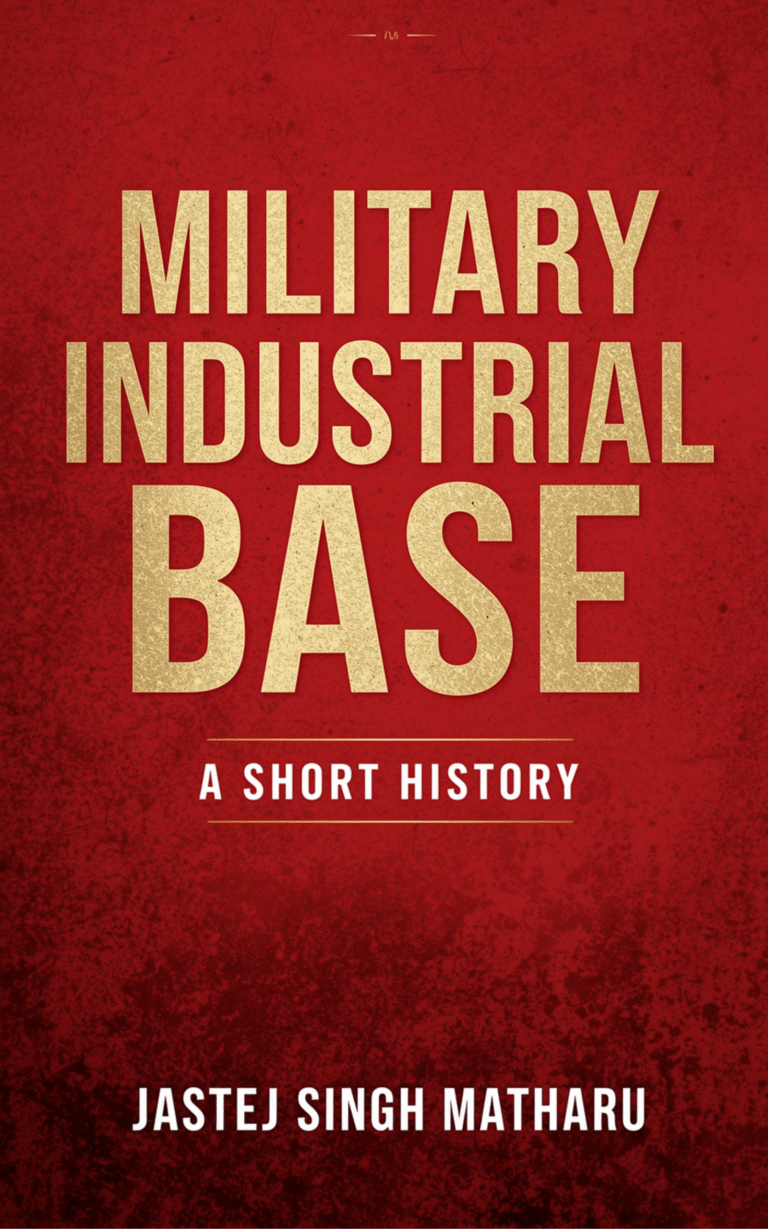
Military Industrial Base
A Short History
This book explores the evolution of Military Industrial Bases as living systems shaped by wars, technological breakthroughs, economic pressures, and geopolitical shifts. Tracing developments decade by decade, it reveals how nations responded to disruption, transformed their defense capabilities, and altered their strategic position in the world. More than a study of defense industries, it is an examination of adaptation, innovation, and national power. Discover how the ability to respond to change has often determined which nations rise, endure, or decline.

From Overwhelmed To Effective
Real World Lesssons to Help You Think Clearly and Act Better
Feeling overwhelmed by information, responsibilities, and endless demands on your time? From Overwhelmed to Effective offers practical, real-world strategies to help you regain clarity, focus, and control. Through relatable stories, timeless wisdom, and simple exercises, you'll learn how to prioritize what matters, overcome procrastination, reduce mental clutter, and make better decisions. Whether you're a professional, retiree, or lifelong learner, this book will help you replace busyness with purposeful action and build habits that lead to lasting effectiveness. Discover how small, consistent changes can create a calmer mind, greater confidence, and better results in every area of life.